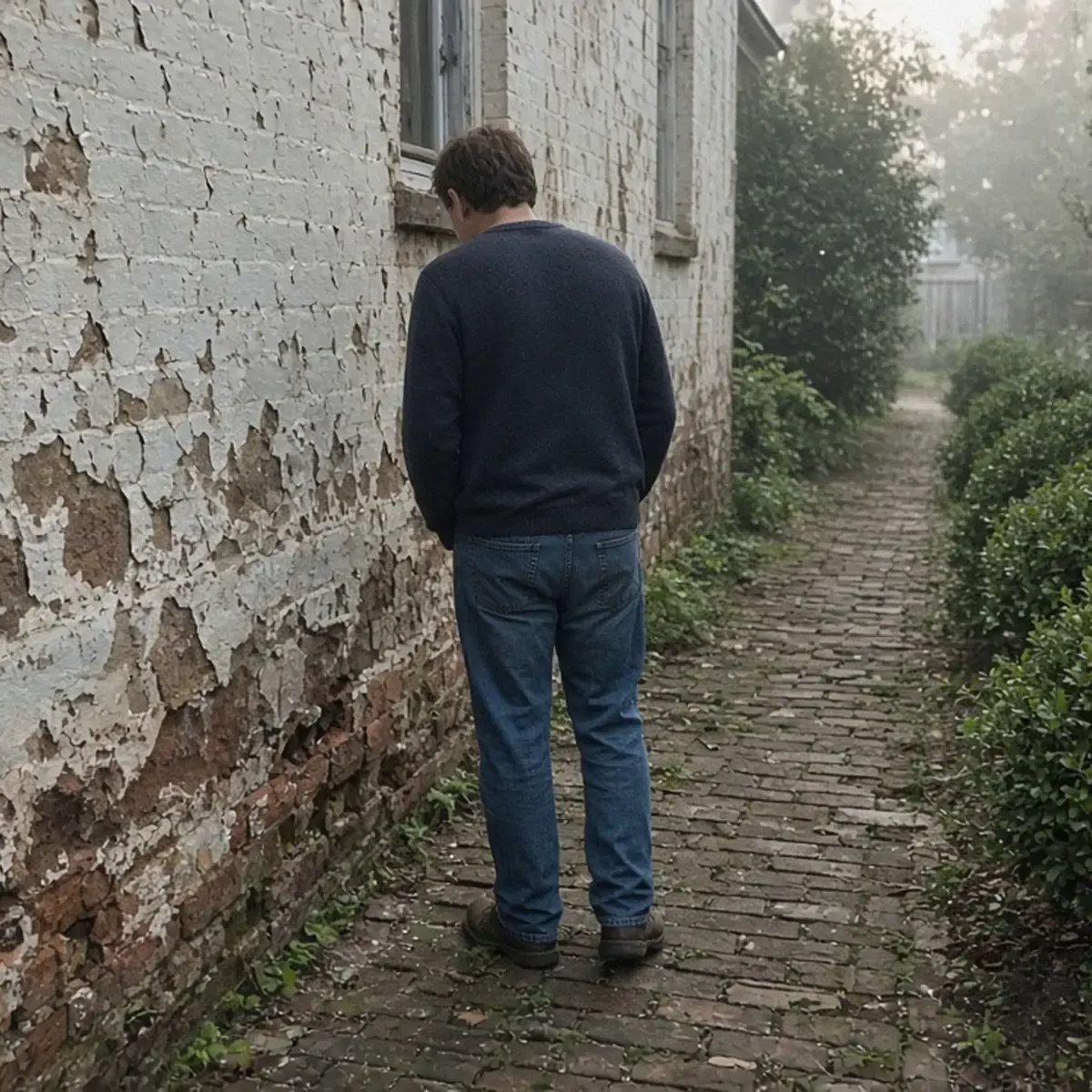
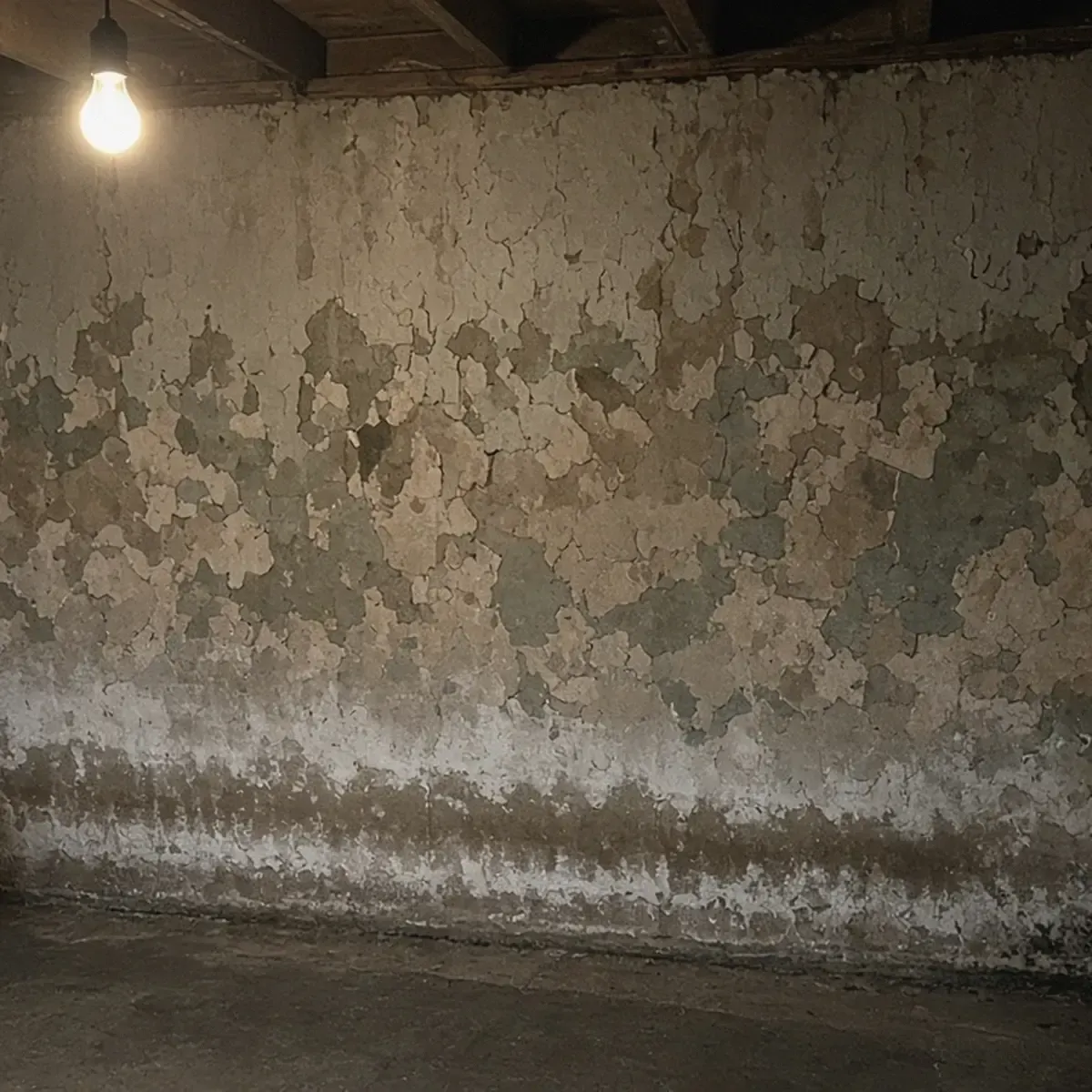
HomeGuide's national guide (written January 23, 2026) lists the signs of a basement that needs waterproofing: standing water or leaks, water stains, white or gray chalky residue, damp walls, musty odors, mold or mildew, bowed walls or warped doors, and cracks in walls or floors. Annapolis MD Basement Waterproofing explains what each sign tells you and which ones need a call.
The Short Answer
One damp spot after a storm can come from a clogged gutter. Several signs together, or water that returns every time it rains, mean the water is finding a way in. Bowed walls and growing cracks are the signs to act on first.
What Each Sign Tells You
| Sign | What it can mean | What to do |
|---|---|---|
| Standing water or a damp floor | Water entering at the floor joint, the wall or a crack | Note when it appears, then check gutters and downspouts |
| Water stains on walls | Water has reached the wall before and may again | Mark the stain and watch it after rain |
| White or gray chalky residue | HomeGuide lists it among the signs of a moisture problem | Photograph it and mention it at the inspection |
| Damp walls | Moisture in the wall | Check the grade and gutters outside |
| Musty odor | Moisture and possibly mold | Check humidity; the EPA advises below 60 percent, ideally 30 to 50 percent |
| Mold or mildew | Moisture has been present; the EPA says mold needs water or moisture to grow | Fix the water; dry affected items within 24 to 48 hours |
| Bowed walls or warped doors | HomeGuide lists them as signs of a basement problem | Call for an inspection and ask whether an engineer should look |
| Cracks in walls or floors | Many are dry; a leaking or growing crack is a different case | Mark the crack with a pencil and a date |
Check the Outside First
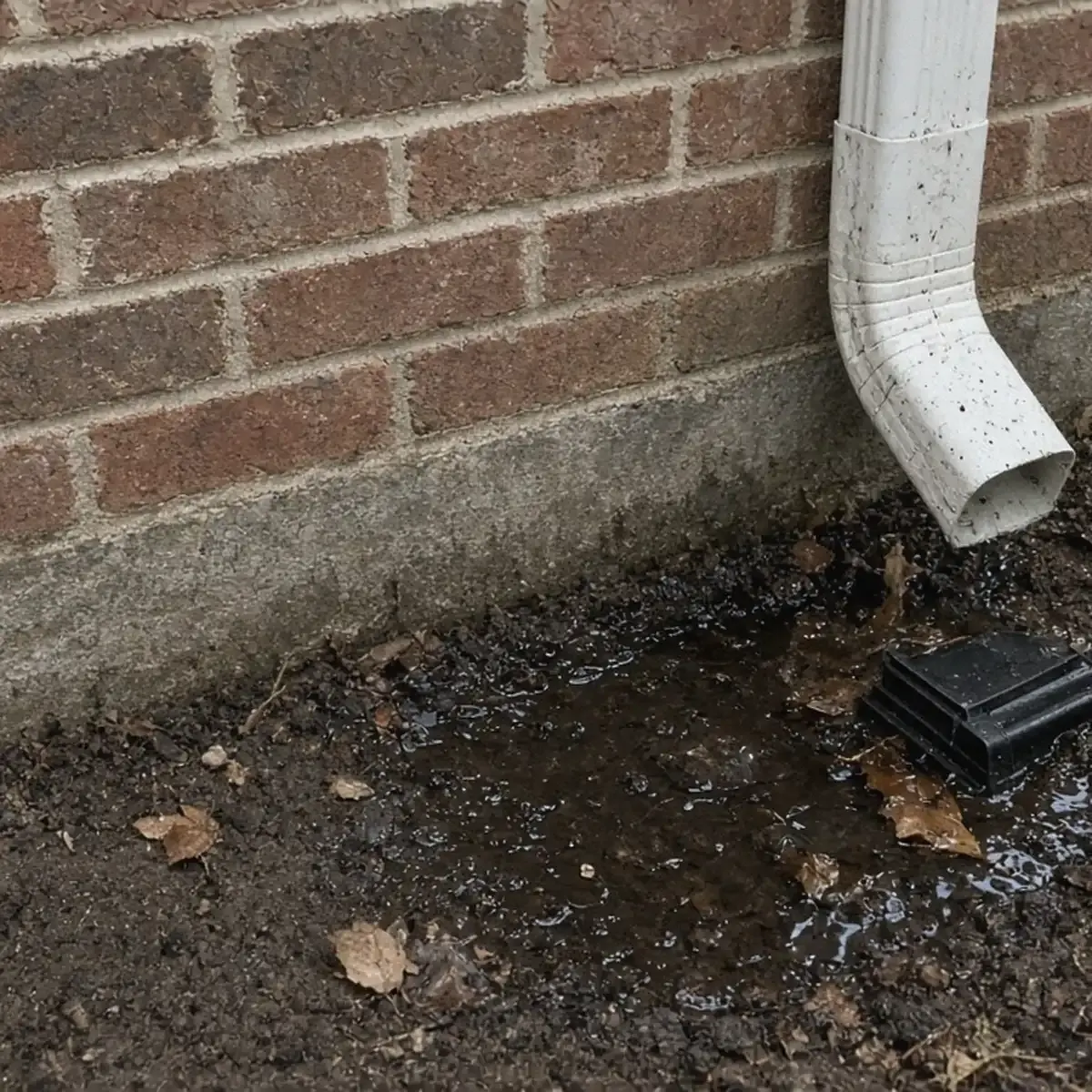
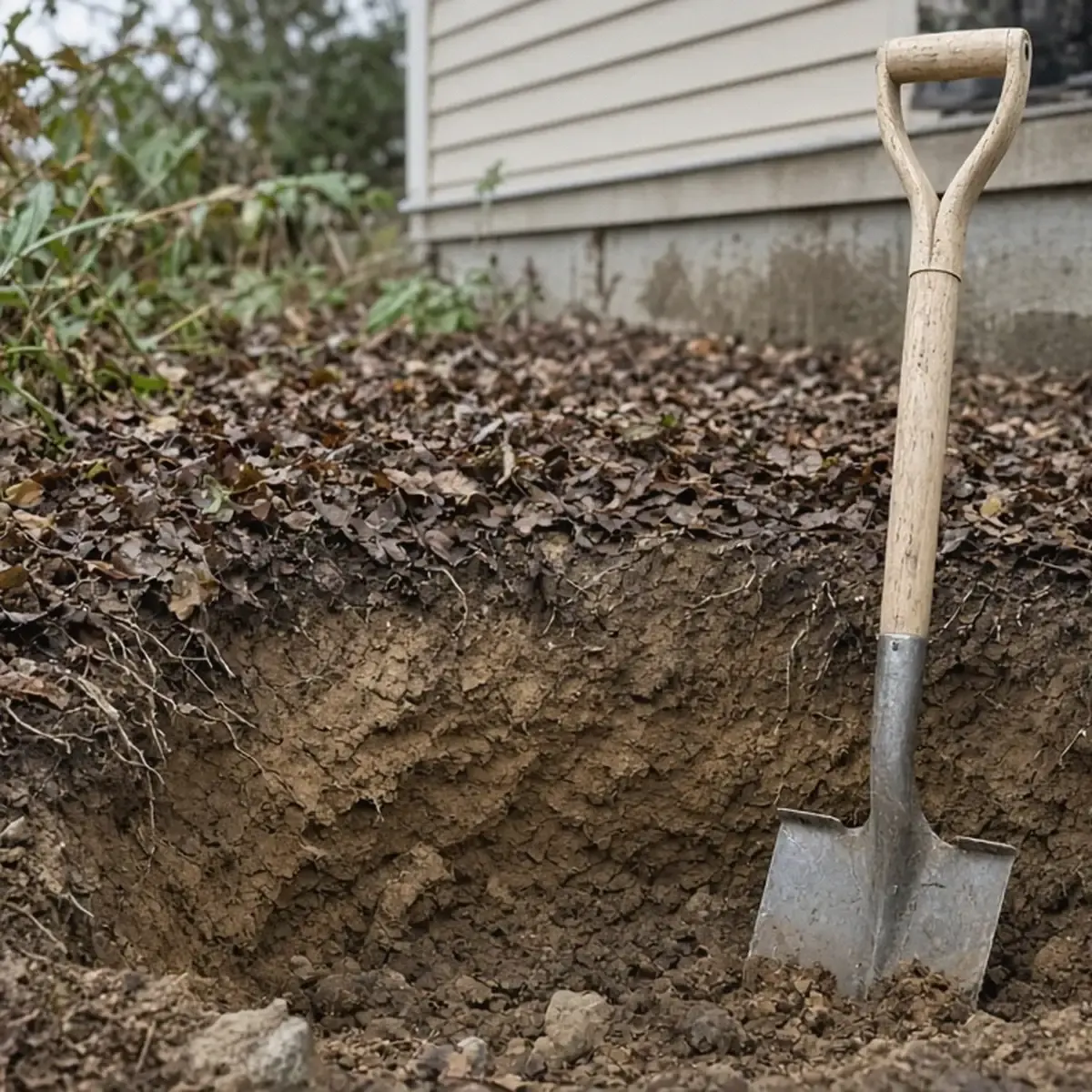
The EPA's guide to mold and moisture says to clean and repair roof gutters regularly and to make sure the ground slopes away from the building foundation. According to the Maryland Geological Survey, most wet basements are caused by foundation, landscaping and grading issues, not by rising groundwater. Why is my basement wet
Check the Humidity
The EPA says to keep indoor humidity below 60 percent, ideally between 30 and 50 percent, and suggests a low-cost meter to check it. A damp smell with no puddles can be humidity, not a leak. A dehumidifier is $130 to $300 for a portable unit and $1,500 to $3,500 for a whole-house unit, according to HomeGuide's national guide. We tell you whether you have a humidity problem or a water problem.
Signs That Need a Call Soon
- A wall that bows inward
- A crack that leaks or grows
- Water that returns every time it rains
- Mold on the walls or on stored items
- A sump pump that runs constantly or has stopped
What Annapolis Adds
The NOAA climate normals for the Annapolis NAF, MD station (1991-2020) record 43.99 inches of precipitation a year, with summer the wettest season at 13.25 inches. Census Bureau figures (American Community Survey, 2020-2024) show about 59% of occupied Annapolis homes were built before 1980. Waterproofing older Annapolis homes
Frequently Asked Questions
What is the white powder on my basement wall?
HomeGuide lists white or gray chalky residue among the signs that a basement needs waterproofing. It points to moisture reaching the wall. We look at where the water comes from, and a photo helps at the inspection.
Is a musty smell a sign of a leak?
It can be. A musty smell points to moisture and possibly mold, and it can come from humidity as well as a leak. The EPA advises keeping humidity below 60 percent, ideally between 30 and 50 percent. We check both.
Are cracks in my basement wall a problem?
Not always. Many are dry and stay dry. A crack that leaks, grows or sits beside a bowed wall is a different case, and HomeGuide lists bowed walls among the signs of a basement problem. Basement leak and crack repair
How soon should I act on a wet spot?
Dry the area within 24 to 48 hours, the EPA says, to prevent mold growth. Then find the cause, because the water returns.
Do I need waterproofing or just a dehumidifier?
If the problem is humidity with no water entering, a dehumidifier may be enough. If water enters, humidity control alone will not stop it. We tell you which at the inspection. Wet basement repair